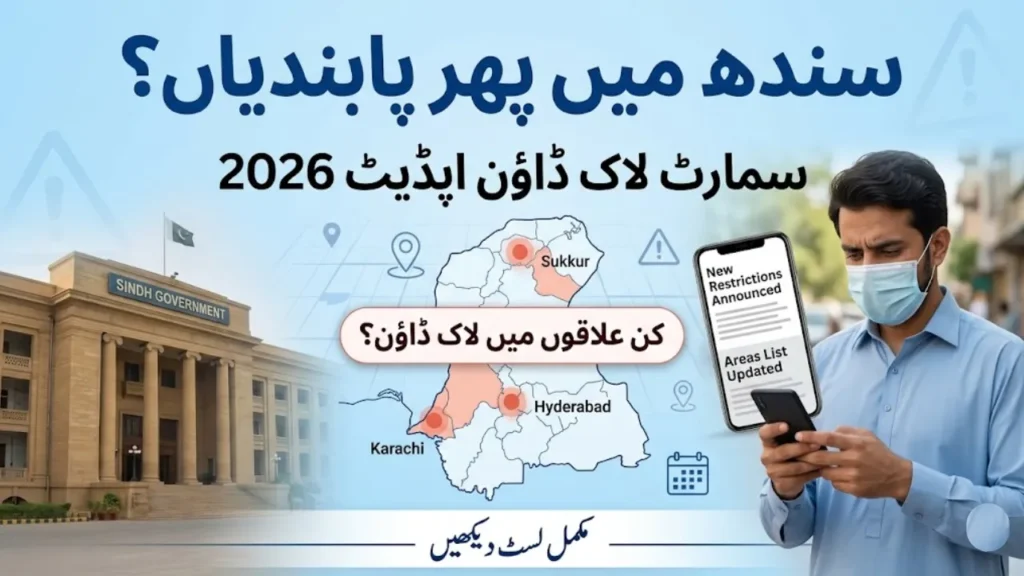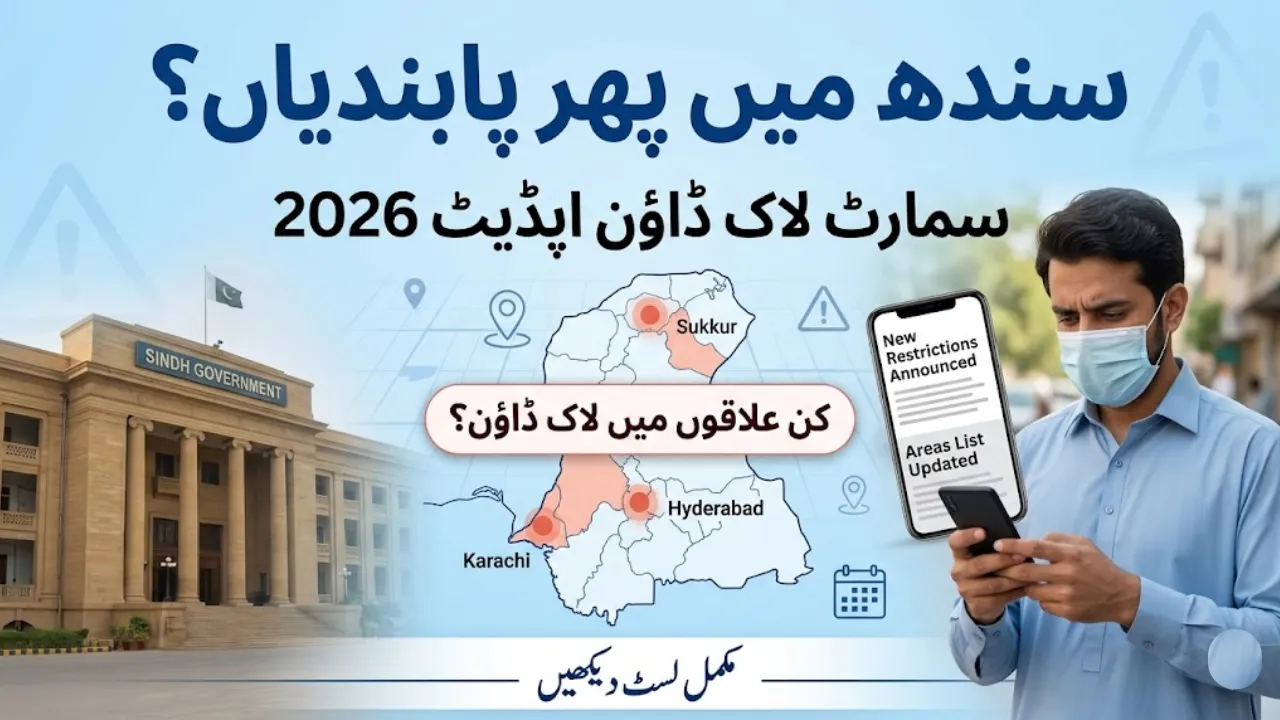
The Sindh government smart lockdown 2026 is making headlines across Pakistan, but many people are still confused about what it actually means. Unlike previous COVID-style shutdowns, this new strategy is focused on fuel saving, economic balance, and controlled activity, not strict movement restrictions.
Here’s a complete, easy-to-understand, and SEO-optimized breakdown of everything you need to know.
What Is Sindh Govt Smart Lockdown 2026?
The smart lockdown in Sindh is a targeted strategy introduced by the provincial government to reduce petrol consumption amid rising global oil prices.
This time, the goal is not to stop daily life but to limit unnecessary movement and fuel usage.

Key Purpose:
- Reduce petrol consumption
- Manage economic pressure
- Avoid full-scale shutdown
- Keep essential services running
Why Sindh Government Announced Smart Lockdown
The decision comes after global fuel prices surged, impacting Pakistan’s economy.
Main Reasons Behind the Decision
- Rising international oil prices
- Pressure on Pakistan’s fuel reserves
- Increasing transportation costs
- Need for sustainable fuel management
The government aims to control fuel demand without damaging businesses or daily life.
Smart Lockdown Rules & Expected Restrictions
The official notification is expected soon, but initial details reveal several important measures.

Likely Restrictions Include:
- Online classes for schools, colleges & universities
- Work-from-home policy for offices
- Reduced traffic on roads
- Limited non-essential travel
What Will Remain Open:
- Hospitals & healthcare services
- Police & emergency services
- Public transport (limited but operational)
- Essential businesses
This approach ensures minimum disruption while maximizing fuel savings.
How This Lockdown Is Different from COVID Lockdowns
Many people are comparing it with past lockdowns, but this one is completely different.
Major Differences:
| Feature | COVID Lockdown | Smart Lockdown 2026 |
|---|---|---|
| Purpose | Health safety | Fuel saving |
| Movement | Strictly restricted | Controlled |
| Businesses | Mostly closed | Mostly open |
| Education | Fully online | Partial online |
| Economy | Heavily impacted | Minimally affected |
This makes the Sindh smart lockdown more flexible and practical.

Impact on Daily Life in Sindh
The smart lockdown will slightly change routines but won’t stop normal life.
Expected Changes:
- More people working from home
- Reduced traffic and travel
- Increased use of online services
- Lower fuel expenses for households
Overall, citizens may experience minor adjustments rather than major disruptions.
Who Will Be Most Affected?
While the lockdown is mild, some sectors will feel its impact more than others.

Affected Groups:
- Office workers (shift to remote work)
- Students (online classes)
- Transport sector (reduced demand)
- Small businesses relying on physical traffic
However, the government aims to balance impact and economic activity.
Official Notification & Implementation Timeline
According to officials, the formal notification will be issued within 24–48 hours.
Once announced:

- Clear guidelines will be provided
- Sector-wise restrictions will be defined
- Implementation will begin immediately
Benefits of Sindh Smart Lockdown
This strategy brings several advantages compared to strict lockdowns.
Key Benefits:
- Saves petrol and reduces imports
- Keeps businesses running
- Avoids economic shutdown
- Encourages digital transformation
- Reduces traffic congestion
Challenges & Concerns
Despite benefits, some challenges remain.
Possible Issues:
- Compliance by the public
- Impact on daily wage workers
- Online education accessibility
- Monitoring and enforcement
The success depends heavily on public cooperation.
Conclusion
The Sindh govt smart lockdown 2026 is a modern, balanced approach designed to tackle fuel crises without harming the economy. Instead of strict restrictions, it focuses on smart management, reduced travel, and digital adaptation.
If implemented effectively, this policy could become a model for other provinces, helping Pakistan handle economic challenges without disrupting everyday life.